

Choosing the Right Rhythmic Heart for Church Worship
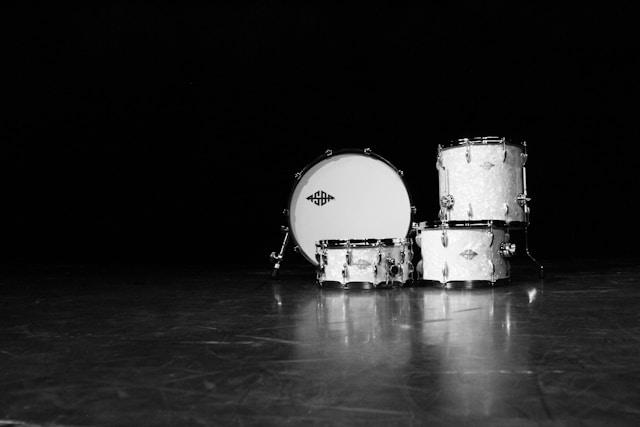
The debate over using acoustic versus electronic drums in church is one of the most enduring discussions among musicians and sound engineers. As the instrument that serves as the rhythmic “heart” of a worship service, drums have the most significant impact on musical dynamics as well as stage volume.
Often, the question is: “Which one is better?” The answer is never singular. The best choice always depends on the room size, building acoustics, PA system capacity, and the multimedia team’s expertise. Here is a comprehensive guide to help you make an informed decision.
1. Acoustic Drums: Pure Energy and Dynamics
For many drummers, nothing beats the physical sensation of hitting an acoustic drumhead and hearing the direct resonance of the wood and the vibration of the cymbals.
Pros:
- Natural Dynamics: Touch sensitivity (ghost notes, rim shots on the snare, or brush sweeps) is translated perfectly and organically.
- Physical Presence (Visual & Energy): Acoustic drums provide massive stage energy, motivating the congregation and other musicians to be more “alive” in worship.
- Zero Latency: There is no digital delay between the strike and the resulting sound.
Cons:
- Hard-to-Control Volume: In small or medium-sized rooms, acoustic drums can be deafeningly loud and bleed into the vocal or other instrument microphones, ruining the overall sound mix.
- Extra Maintenance: Requires regular tuning and drumhead replacements, which can strain the budget.
Equipment to Maximise:
- Drum Shield / Isolation Cabin: Clear acrylic (at least a standard shield, ideally a fully enclosed cabin) is absolutely necessary to control stage volume so the drum sound doesn’t bleed into other mics.
- Drum Mics: Investing in a good microphone set (dynamic mics for the kick, snare, and toms, and condensers for overheads/cymbals).
- Digital Mixing Console: Considering acoustic drums have many sound variables, a mixer with solid Gate and Compressor features is needed to tidy up the sound of each drum element.
Modern electronic drums have evolved rapidly, leaving behind the “tinny” sounds typical of the 90s. With today’s sampling technology, electronic drums offer an incredible solution for modern worship, especially for churches that frequently do live streaming.
Pros:
- 100% Volume Control: Eliminates stage noise issues (silent stage). The sound engineer has full control over how loud the drums are for the congregation (FOH) and the digital broadcast without worrying about mic bleed.
- Sound Consistency: No need to worry about tuning or out-of-tune drums. The resulting sound will always meet the same standard every week.
- Arrangement Flexibility: Drum modules allow for kit changes in seconds. You can use a grand orchestral drum sound for slow worship songs, then switch to a punchy pop/gospel sound for fast-paced praise songs.
Cons:
- The “Feel” Challenge: Although mesh head technology is excellent, the rebound and sensitivity of electronic cymbals cannot yet 100% replicate acoustic instruments.
- Dependency on the PA System: Electronic drums do not produce their own acoustic sound. If the church’s main speakers or subwoofers are underpowered, the drum sound will be thin and lifeless.
Equipment to Maximise:
- MIDI and DAW Integration: Instead of relying solely on the module’s built-in sounds, you can connect the module to a laptop via MIDI. By running a Digital Audio Workstation (DAW) and VST plugins like Superior Drummer or GetGood Drums, the sound quality will rival professional studio recordings.
- In-Ear Monitor (IEM) System: Since there is no physical sound on stage, the drummer absolutely needs a capable IEM system to hear their own beats clearly.
- Solid Subwoofer: To translate the low frequencies of the electronic kick drum so it can be “felt” in the congregation’s chests, the PA system must be equipped with high-quality subwoofers and Active DI Boxes to maintain signal clarity.
Conclusion: Which Should You Choose?
- Choose Electronic Drums if: Your church is in a relatively small room, has a low ceiling, is highly focused on live streaming audio quality, or utilises a silent stage concept (all musicians using IEMs). This is the cleanest and most precise digital audio management solution.
- Choose Acoustic Drums if: Your church has a large room capacity with excellent acoustic treatment, the budget to purchase a soundproof drum shield and high-quality microphones, and a sound system team skilled in mixing live instruments.
Ultimately, regardless of the technology, the best instrument is the one played with sincerity and integrated harmoniously with the entire ministry team to help the congregation focus on worshipping God, rather than being distracted by chaotic sound.